NSFTA Certified Fitness Professional Program
Personal training starts with the person.
Build the knowledge and decision-making skills to assess clients, coach movement, and design training that fits real goals, abilities, and schedules.
Learning format
A written and visual learning experience.
Study through written lessons, visual teaching materials, worked examples, knowledge checks, and optional self-guided practice. The course is online and self-paced.
Assessment. Movement. Programming. Adaptation. Learn how those pieces work together for the client in front of you.
The NSFTA approach
Give every part of the program a purpose.
Start with the client: what they want to do, what they can do now, and what they can realistically sustain. Then use the principles of training to make a plan.
Throughout this program, you will connect the science to practical choices: what to assess, which exercise to use, how much to prescribe, what to coach, and when to adjust.
Who it is for
For people who take coaching seriously.
The focus is practical personal training for real clients with different starting points, goals, and constraints.
Preparing to become a trainer
Build a foundation in exercise science, client assessment, coaching, and program design.
Already working with clients
Revisit the fundamentals and develop a more deliberate process for choosing, progressing, and adapting training.
What you will learn
Make decisions you can explain.
Assess with a purpose
Gather the information that should shape training: goals, current capacity, health considerations, experience, preferences, and available time.
Explain your exercise choices
Connect anatomy and exercise physiology to movement selection, training demands, progression, and recovery.
Coach clearly
Use DDCC: Describe, Demonstrate, Coach, and Cue. Observe the client’s response and choose feedback that helps the next repetition.
Build an individualized program
Organize sessions and training weeks around the client’s priorities. Apply the Integrated Six Pillars without forcing every client into the same plan.
Adapt the session
Change load, range, support, pace, or exercise selection when the situation calls for it, while keeping the training goal in view.
Work professionally
Recognize the limits of your role, document important decisions, plan for emergencies, and know when to involve another professional.
The Integrated Six Pillars
A framework for the whole program.
The Integrated Six Pillars help you consider the physical and cognitive qualities that matter to the client. Use them to review the program, set priorities, and identify what needs attention.
Cardiovascular
Work capacity and conditioning
Muscular
Strength, hypertrophy, power, and endurance
Balance
Control through changing demands
Mobility
Usable movement for the task
Cognitive
Attention, reaction, and decisions
Body composition
Goals, habits, and appropriate support
The client’s needs determine the emphasis. Session structure and training dose should change with the person and the goal.
13 core modules
Your path from foundations to application.
Work through 13 core modules, then bring the material together in the final assessment. Select a module to explore its focus.
01The Personal Trainer as a Professional
Understand the trainer’s responsibilities, scope of practice, ethics, documentation, and use of evidence. Practice deciding when to coach, modify, or refer.
02Applied Anatomy and Kinesiology
Connect muscles, joints, and tissue function to movement. Use joint actions, planes of motion, levers, and torque to understand exercise demands.
03Exercise Physiology and Adaptation
Study energy systems, cardiorespiratory responses, neuromuscular adaptation, muscular development, fatigue, and recovery. Connect the training stimulus to the response you want.
04Client Intake, Screening, and Referral
Build a useful consultation and health history. Recognize training considerations and red flags, and understand when referral or emergency escalation is appropriate.
05Fitness Assessment and Reassessment
Choose assessments that fit the person and the question. Interpret resting measures, movement observations, and fitness tests, then use reassessment to guide decisions.
06Communication, Coaching, and Behavior Change
Build the coaching relationship, set practical goals, and support adherence. Use Describe, Demonstrate, Coach, and Cue to teach movement clearly.
07Resistance Training and Muscular Development
Work through squat, hinge, push, pull, carry, and trunk-training patterns. Choose training variables, exercise variations, progressions, and regressions with a clear purpose.
08Cardiorespiratory Training
Use intensity monitoring, continuous training, intervals, circuits, and mixed-mode conditioning to build appropriate cardiorespiratory programs.
09Mobility, Balance, and Stability
Select preparation, mobility, balance, and force-control work that supports the client’s goals. Fit these elements into the session with a clear reason for each choice.
10Program Design and the Integrated Six Pillars
Turn client goals and constraints into sessions, training weeks, and longer blocks. Use the Six Pillars as a programming checklist, and adjust the plan as the client responds.
11Working With Older Adults and Common Health Considerations
Adapt training to individual capacity and common health considerations. Apply strength, power, balance, and gait concepts while respecting scope and referral needs.
12Nutrition, Body Composition, and Recovery
Understand energy balance, dietary quality, hydration, body-composition measurement, sleep, and stress. Practice nutrition conversations within the trainer’s scope.
13Safety, Emergency Readiness, and the Training Business
Review facility and equipment safety, emergency plans, incident documentation, risk management, and professional business practices.
What is included
A structured way to learn and practice.
13 core learning modules
Written lessons and visual teaching materials covering the science, coaching, programming, and professional responsibilities of personal training.
Knowledge checks and applied scenarios
Check your understanding and work through decisions you may face with clients. These checks support learning and are separate from your final assessment score.
Worked examples and self-guided practice
Follow the reasoning behind sample decisions, then practice applying it yourself. Practice activities are optional and do not require an upload, recording, or instructor sign-off.
Final assessment and one included retake
Complete a closed-book, unproctored online final assessment with 150 multiple-choice questions. You have 180 minutes and need 80% to pass. One free retake is included if you do not pass the first attempt.
The final assessment
A clear final assessment.
The final assessment is a closed-book, unproctored online knowledge exam. It is automatically scored. Use the lessons, knowledge checks, and worked practice to prepare.
Closed-book · Unproctored · Online
Before credential award
Professional requirements.
Current adult CPR/AED certification must be verified before credential award. Candidates must also agree to the NSFTA Professional Ethics Statement. These requirements are separate from the automatically scored final examination.
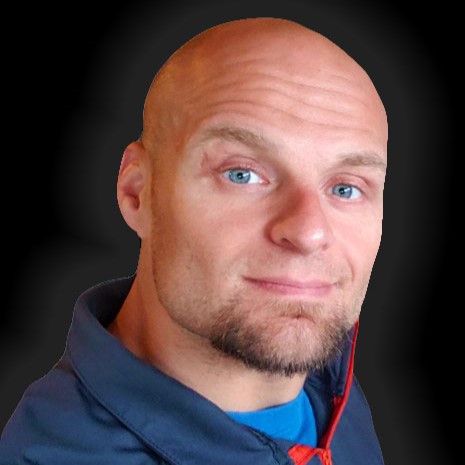
Meet your educator
Erik Schreiber, M.S.
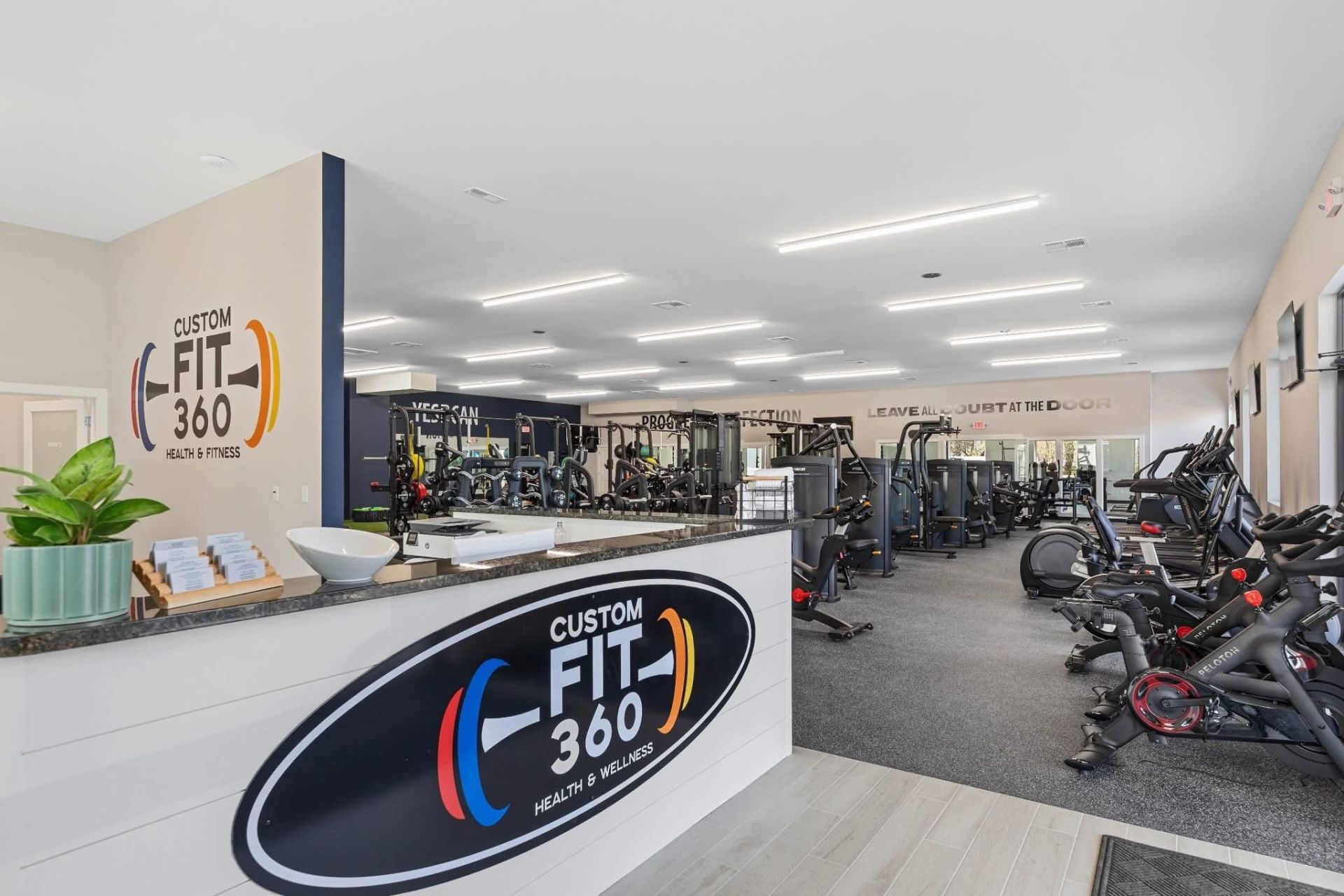
NSFTA founder · CustomFit360 owner
Erik founded the National Strength & Functional Training Academy and owns CustomFit360. He holds a master’s degree in Exercise Science.
His approach to education brings the client, training principles, and practical programming decisions together. This course carries that approach through the foundations of personal training and the choices a trainer makes on the gym floor.
About the education provider
NASM Preferred Provider PRO-014429
NSFTA is a NASM Preferred Provider. This designation applies to the organization. It does not establish NASM approval or accreditation of this program. No NASM CEU credit is claimed for this course.
View NASM’s Preferred Providers directoryBefore you enroll
Questions about the program.
Who is this program for?
The program is designed for people preparing to coach personal-training clients and for working trainers who want to strengthen their foundations, programming, and decision-making. Review the curriculum to see whether it fits the skills you want to develop.
Is the course self-paced?
Yes. The learning format is online and self-paced, with written lessons, visual teaching materials, worked examples, and knowledge checks. Work through the course on your own schedule.
How long will it take?
Study time will vary with your background and pace. The program contains 13 core modules plus the final assessment. The final assessment has a 180-minute time limit.
Do I need to submit videos or assignments for grading?
The self-guided practice activities are optional. You can keep your practice notes privately. No partner, video recording, upload, instructor review, or human sign-off is required for those practice activities. Assessment questions are automatically scored. CPR/AED verification is a separate credential requirement.
How does the final assessment work?
The final assessment is a closed-book, unproctored online exam with 150 multiple-choice questions. You have 180 minutes to complete it, and the passing score is 80%. One free retake is included if you do not pass your first attempt.
Do the module checks affect my final assessment score?
No. Module knowledge checks and applied scenarios are learning tools. They are separate from the final assessment and do not contribute to its score.
Does the course teach one fixed training schedule?
No. You will work with practical examples, including two 60-minute sessions per week, and learn how to adjust frequency, duration, exercise selection, and progression to the client’s goals and circumstances.
Does enrollment include live classes or personal assignment marking?
The course uses self-paced written and visual lessons, worked examples, self-guided practice, and automatically scored assessments. Live instruction and personal assignment marking are not part of this course format.
Are recorded lectures included?
Planned lecture videos are not included in this version. The course uses written and visual teaching materials, worked examples, and self-guided practice.
Do I need CPR/AED certification?
Current adult CPR/AED certification must be verified before credential award. You must also agree to the NSFTA Professional Ethics Statement.
What does NSFTA’s NASM Preferred Provider status mean for this program?
NSFTA is a NASM Preferred Provider, PRO-014429. Provider status applies to NSFTA as an organization. It does not establish NASM approval or accreditation of this program, and no NASM CEU credit is claimed for this course.
NSFTA Certified Fitness Professional Program
Build a stronger foundation for your coaching.
Learn the science. Practice the decisions. Put the person at the center of the plan.